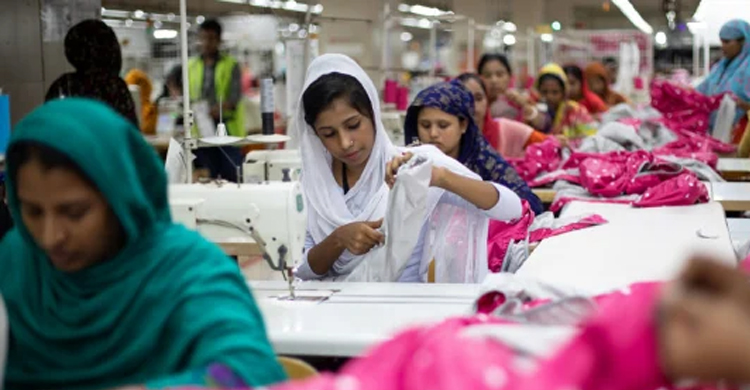
| (BSS)- Leaders of different labour organizations have welcomed the government`s initiative to form a Minimum Wage Board to determine new wages for garment workers, describing it as a positive step towards protecting workers` interests.
They particularly appreciated the provision for forming a wage board every three years instead of five years, saying it would help adjust wages in line with inflation and rising living costs.
Speaking to Bangladesh Sangbad Sangstha (BSS), the leaders urged the government to determine and announce new wages as quickly as possible through dialogue and discussions.
President of Sammilito Garments Sramik Federation Nazma Akter said the formation of the wage board was timely and expressed gratitude to the government for taking the initiative.
She urged the authorities to identify and punish those involved in attacks, vandalism and sabotage at industrial establishments, saying such activities were not genuine workers` movements.
President of Bangladesh Garment Sramik Sanghati Taslima Akhter said the three-year wage board provision was important for protecting workers` purchasing power.
However, she stressed that peaceful dialogue was essential to prevent unrest and protect factories.
President of Bangladesh Garments, Textile and Leather Workers Federation Kutubuddin Ahmed said his organization had proposed a minimum monthly wage of US$260. He expressed hope that consensus could be reached through discussions among workers` organizations, factory owners and the government.
General Secretary of Industrial Bangladesh Council (IBC) Salauddin Swapan also welcomed the initiative and called for frequent meetings to finalize wages without unnecessary delays.
He stressed the need to expand trade union activities in factories and resolve issues such as blacklisting workers.
The labour leaders said the wage board had created an institutional opportunity to address workers` demands and urged all concerned to pursue peaceful programmes and dialogue instead of confrontation, vandalism and arson.
They emphasized that protecting industrial establishments was essential for safeguarding workers` livelihoods and the national economy.
|