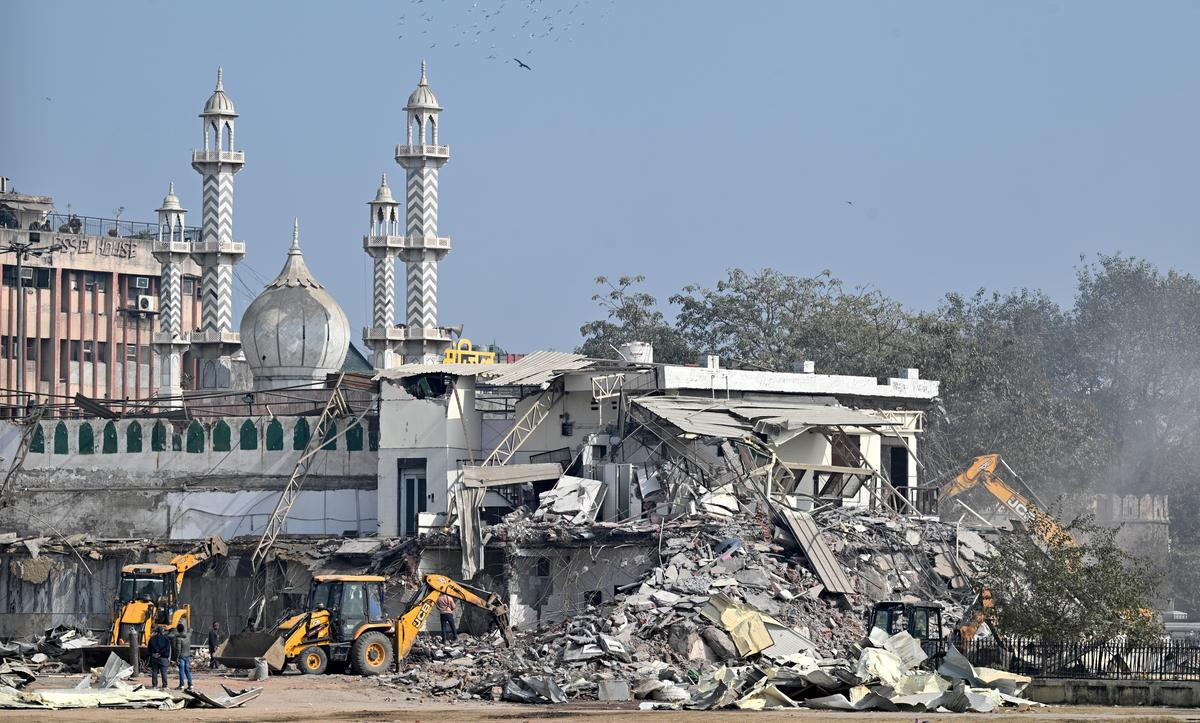
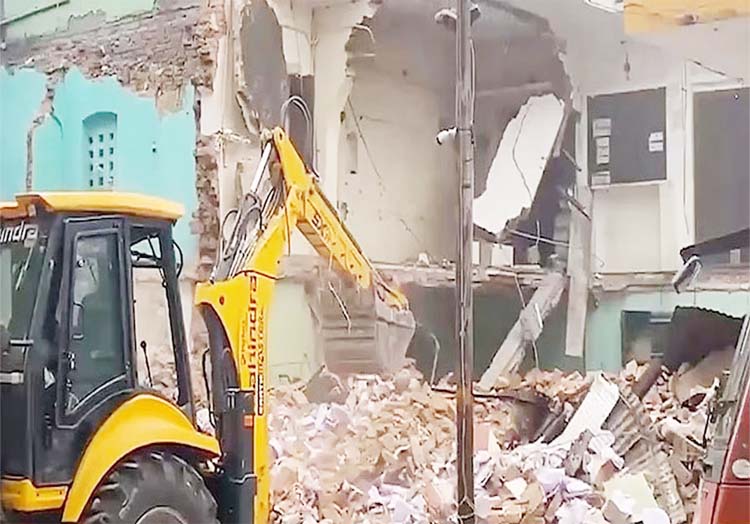
| WR Desk: A growing pattern of demolitions targeting mosques, madrasas, shrines and Eidgahs across India has raised serious concerns over the protection of Muslim religious institutions and the right to freedom of religion. Such incidents, particularly in BJP-ruled states were reported, where authorities have frequently justified the actions as anti-encroachment, road-widening or redevelopment drives.
In February 2025, Indian authorities demolished 36 structures, including mosques, shrines and a graveyard, in Gujarat’s Bet Dwarka. The demolitions followed a court decision concerning alleged encroachments, while Muslim representatives accused the authorities of erasing Muslim culture and heritage from the area.
A survey of demolitions in Assam found that between November 2023 and July 2025, authorities had demolished or affected 21 mosques, 44 madrasas and nine Eidgahs, alongside the displacement of thousands of Muslim families. The figures emerged in a report cited by Jamiat Ulama-i-Hind during its assessment of demolition drives in Goalpara, Dhubri and Nalbari.
In October 2025, the Gujarat High Court refused to stay the partial demolition of the 400-year-old Mancha Masjid in Ahmedabad, despite the mosque committee highlighting its status as a registered Waqf property and its historical and religious significance.
The most extensive wave documented came in May and June 2026. At least 23 Muslim religious structures—including mosques, madrasas, dargahs and Eidgahs—were demolished within 44–45 days across Delhi, Maharashtra, Uttar Pradesh, Gujarat, Rajasthan and Haryana. The sites included historic mosques and shrines, some dating back centuries.
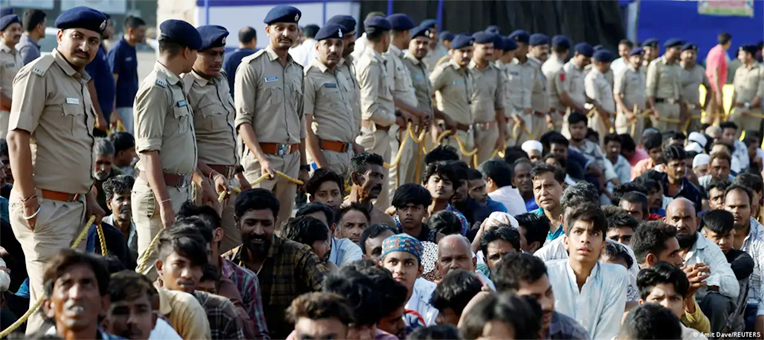
The pattern continued in September 2026. In Saharanpur, Uttar Pradesh, authorities demolished a more than century-old mosque inside the Collectorate complex on September 5, just days after a district court upheld an eviction order. The demolition was carried out amid heavy police deployment, while opposition leaders and Muslim organisations questioned the haste of the action and the application of the law.
Days later, another mosque in Uttar Pradesh faced a demolition threat. The Moradabad Development Authority issued a notice to the Mustafa Mosque in the Pakbara area, declaring the approximately 300-square-metre structure unauthorised and warning that it could be demolished if the mosque management failed to comply. The notice, issued shortly after the Saharanpur demolition, has intensified concerns among Muslims and rights advocates over the growing pressure on functioning mosques under the pretext of unauthorised construction and encroachment.
The Indian Muslim community cannot afford silence in the face of such developments. Mosques, madrasas, Eidgahs and shrines are not merely physical structures but integral parts of the community’s religious, educational and cultural heritage. Indian Muslims, political representatives, religious scholars, civil society organisations and human rights defenders must raise their collective voice through peaceful and lawful means against arbitrary demolitions, demand equal application of the law and due process, and seek judicial and institutional protection for Muslim religious properties. Silence over the destruction of one institution can embolden further attacks on others; therefore, sustained, organised and constitutional opposition is essential to safeguard religious freedom and minority rights in India.
|