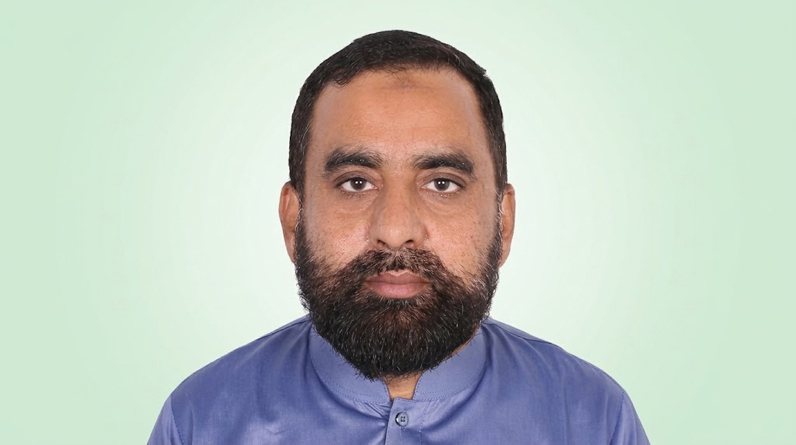
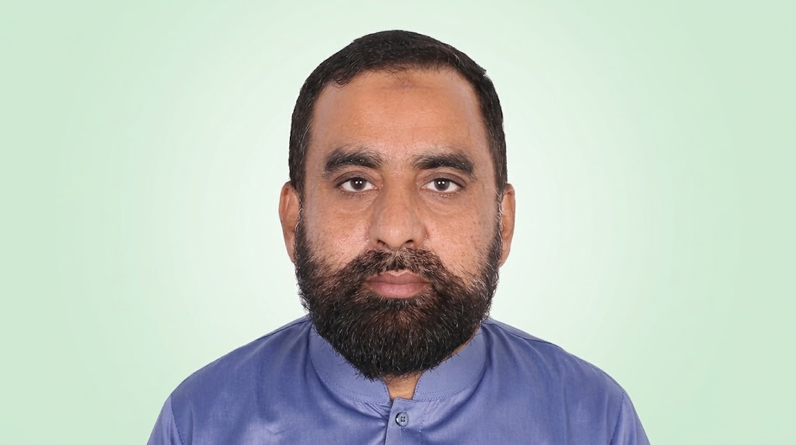
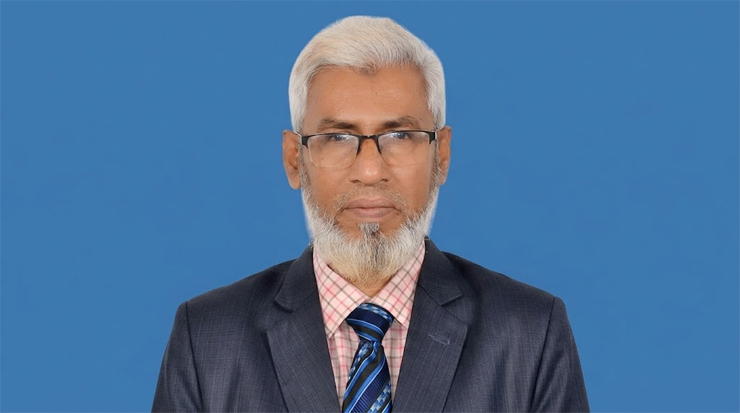
| Dr. Syed Zaved Mohammad Salehuddin
The killing of Sharif Osman Bin Hadi has sent shockwaves across Bangladesh’s political and social landscape. He was laid to rest today near the mausoleum of National Poet Kazi Nazrul Islam at Dhaka University, a symbolic burial that many believe could trigger a psychological and political awakening in the country.
Hundreds of thousands of people attended Bin Hadi’s funeral prayers, an unprecedented turnout that observers describe not merely as an expression of grief, but as a manifestation of widespread public resentment against perceived Indian hegemony over Bangladesh.
Following his death, the U.S. Embassy in Dhaka expressed condolences, while the United Nations Secretary-General also conveyed his sorrow, underscoring the international significance of the incident.
Analysts note that the case has gained added regional importance in light of Canada’s recent warning to India over the alleged involvement of Indian intelligence agencies in the killing of a Sikh religious figure. Against this backdrop, the killing of Sharif Osman Bin Hadi has raised renewed concerns over sovereignty and cross-border interference.
Sections of civil society argue that the incident must be examined within the broader context of political repression during the tenure of former Prime Minister Sheikh Hasina, although no foreign state or agency has yet been legally implicated.
Observers believe that today’s massive funeral has sent a clear message to India: Bangladesh expects a departure from “big brother” attitudes toward a relationship based on mutual respect, equality, and sovereignty. Whether India’s policy-makers will heed this signal remains an open question.
Author: Dr. Syed Zaved Mohammad Salehuddin
Advocate, Supreme Court of Bangladesh & Political Analyst
|