| (BSS) - Bangladesh is set to experience a gradual onset of winter starting next week, with the Bangladesh Meteorological Department (BMD) forecasting a `warm winter` this year due to effects of El Ni¤o phase.
"We are expecting a warm winter this year due to El Ni¤o phase," meteorologist Dr Muhammad Abul Kalam Mallik told BSS over phone today.
The El Ni¤o phase is the warm part of the El Ni¤o-Southern Oscillation (ENSO), a natural climate cycle that swings between warm and cool states in the tropical Pacific Ocean every two to seven years.
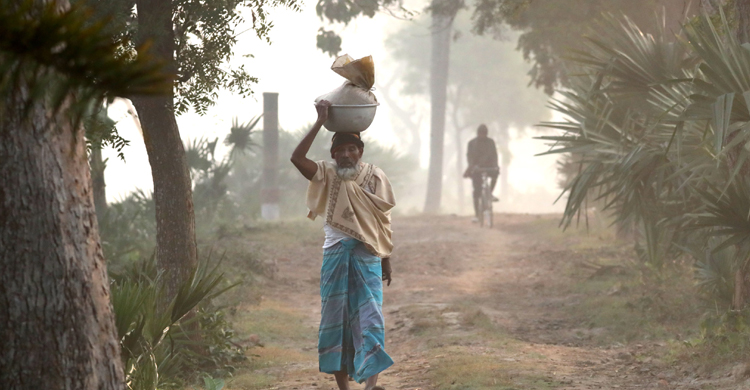
Dr Mallik said the winter is expected to start in the country from next week, while fog has already started forming in remote areas across the country.
However, he predicted that the intensity and duration of severe coldwaves would be relatively low this year.
According to the BMD`s seasonal outlook, chilly conditions and light morning fog will begin appearing in the northern, northeastern, and central districts by the third week of November. Winter intensity will build steadily through December before reaching its peak in January 2027, with cold weather expected to linger until mid-February.
Meteorologists projected that four to six mild-to-moderate coldwaves would sweep through various parts of the country this season, driving regional minimum temperatures down between 6 and 10 degrees Celsius.
Additionally, two to three severe cold spells could hit the northwest, northeast, and central regions, potentially pushing mercury levels as low as 4 to 6 degrees Celsius.
In the capital, Dhaka, nighttime and early morning temperatures are expected to dip to between 11 and 13 degrees Celsius at the height of the season.
Forecasters also warned of dense late-night and early-morning fog, particularly in the northern and central river basins. The reduced visibility is expected to cause temporary disruptions to road, river, and air transport networks during peak winter weeks.
While broader regional climate models indicate potential warming influences from El Ni¤o patterns this year, weather officials noted that localised cold snaps and sharp overnight temperature drops will still impact daily life and agriculture across the delta nation.
Noting that El Ni¤o is active, Mallik said during the winter in Bangladesh, night temperature, on average, remains 14 to 24 degree Celsius based on stations. "This season, nighttime temperature will be 1 to 2 degree Celsius higher."
The meteorologist said sea surface temperature, land surface temperature and ocean heat contain capacity have increased this year due to global warming, resulting in rise of overall temperature.
"To address this situation, we need localisation of global knowledge and globalisation of local knowledge," he said.
According to the three-month climate outlook issued by the BMD on November 1, day and nighttime temperature may remain higher than normal.
Moderate to dense fog may occur at some places across the country, including river basins, from late night to morning, while light to moderate fog may prevail elsewhere over the country.
Due to dense fog, the difference between day and night temperatures may decrease, which may intensify the feeling of cold.
Four to six mild (08-10øC) to moderate (06-08øC) coldwaves may sweep at places over the country of which 2-3 may intensify into severe coldwaves (04-06øC) during the winter, the outlook said.
|