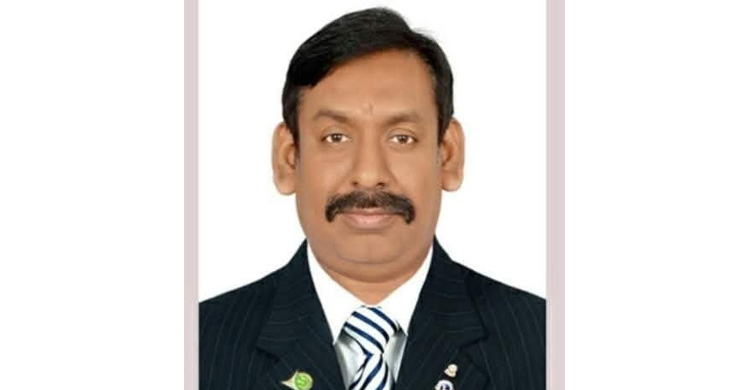
| Lion Md. Gani Miah Babul Students do not come to educational institutions merely to receive lessons. They come to grow up in a safe environment, acquire knowledge and values, and develop their potential. The same expectations apply to madrasas. In institutions where religious education, morality, and humanity are central, allegations of cruelty or humiliation against students particularly disturb society. When a student becomes a victim of abuse, the consequences may extend beyond physical harm to include lasting fear, shame, psychological trauma, and a loss of interest in education. On the other hand, if a teacher is labelled a criminal without proper verification as soon as an allegation is raised, the teacher`s dignity, livelihood, and family may suffer. Therefore, the demand for justice has two dimensions: protection and redress must be ensured for abused students, while accused teachers must also be given a fair investigation and an opportunity to defend themselves. However, this balance must never be used as an excuse to suppress allegations, nor can public outrage be accepted as a substitute for justice. The truth of an allegation must be determined through evidence, investigation, and due process of law. Constant vigilance is necessary to ensure that institutional influence, social status, religious standing, or publicity on social media cannot affect the course of justice. Silencing a student is unjust, just as spreading an unverified allegation as a final verdict is unjust. Bangladesh has a legal framework for child protection. Section 70 of the Children Act, 2013, provides for punishment where a child suffers unnecessary hardship or harm to their health as a result of assault, ill-treatment, neglect, or abandonment by a person responsible for the child`s care or custody. The applicable punishment and the law relevant to a particular case are determined by the court on the basis of the facts and the investigation. Section 70 of the Children Act, 2013, demonstrates that child safety is not merely a matter of an institution`s internal disciplinary rules; it is a matter of law. In addition, the Ministry of Education`s 2011 directive prohibited physical and mental punishment in educational institutions, including madrasas. Beating with a cane, slapping, or humiliating behaviour cannot be considered acceptable methods of teaching. Despite the existence of laws and directives, the first question following an allegation should be whether the student is now safe. Have arrangements been made for medical treatment, psychological support, and access to a trusted guardian or support person? Have records, witness statements, and relevant information been preserved for the investigation? Sometimes, in an effort to protect an institution`s reputation, complainants are pressured to withdraw their allegations, incidents are explained away as “discipline,” or the accused person is allowed to remain in direct contact with the student. Such situations obstruct independent investigations and make other students afraid to speak out in the future. Immediately after an allegation is raised, it is essential to ensure that the child remains in a safe environment, receives appropriate medical advice, and can share their account without fear. Taking preliminary protective measures after receiving an allegation does not mean declaring anyone guilty. In cases involving serious allegations, the accused person may be temporarily removed from direct responsibility for supervising students while the investigation is underway. This can help keep the complainant safe, prevent pressure on witnesses, and reduce the risk of interference with the investigation. Such measures must be temporary, documented in writing, and subject to review. At the same time, the complainant`s identity and personal information must be kept confidential. The quality of an investigation in the pursuit of justice depends on its impartiality. An internal inquiry conducted by madrasa authorities may be necessary for institutional administration, but it should not be the sole investigation into allegations of serious criminal offences. The police and relevant government authorities must perform their duties in accordance with the law. Statements should be obtained from guardians, eyewitnesses, classmates, medical professionals, and other relevant individuals. A child should not be forced to recount the same incident repeatedly; instead, the investigation must be conducted impartially using methods appropriate to the child`s age and psychological condition. The time, place, medical information, and relevant documents concerning the allegation must be properly preserved. Social media posts and rumours cannot replace an investigation. Similarly, the verbal denial of an influential person cannot serve as grounds for dismissing an allegation. It must also be ensured that no individual or group can influence investigators, intimidate witnesses, or force complainants into a settlement. If guilt is established, punishment must be imposed in accordance with the law, promptly and in a manner that sets an example. Position, reputation, religious standing, or an institution`s financial influence must not provide immunity from accountability. Depending on the nature of the offence, appropriate measures must be taken, including criminal proceedings, employment-related disciplinary action, or action under applicable recognition and institutional governance regulations. Punishment is not merely about retribution; it is also intended to prevent future offences and send a clear message to students that their safety is a genuine priority. However, if an allegation is not substantiated, or if an allegation is proven to have been made maliciously and falsely, the reputation of the person concerned must also be restored and appropriate remedies provided. An allegation that has not been proven is not the same as an allegation that has been proven false. Treating these two situations as identical will cause genuine victims to remain even more silent. Protecting the dignity of innocent teachers does not mean reducing their accountability. Rather, it means ensuring that the fundamental principles of justice apply equally to everyone. Article 31 of the Constitution of Bangladesh recognises the right to the protection of the law and to treatment in accordance with the law. The same article also prohibits unlawful action against a person`s life, liberty, body, reputation, and property. Article 31 of the Constitution therefore makes verification before publicising allegations, providing the accused with an opportunity to respond, maintaining confidentiality, and making evidence-based decisions essential for protecting both students and teachers. Allegations must be taken seriously in the public sphere, but no one should be socially condemned as guilty before the court delivers a verdict or the investigation reaches its findings. Written policies alone are not enough for educational institutions; effective child protection systems are needed. Every madrasa should have an accessible mechanism through which students, guardians, teachers, and staff can submit complaints. Complaint committees should consist of individuals who are not under the sole control of the head of the institution or the accused person. Where possible, these committees should include a female representative, a person experienced in child protection, and a guardian representative. The committee`s timelines, confidentiality requirements, procedures for responding to urgent risks, and methods of reporting to the relevant authorities must be communicated in writing. Complainants should know whom to approach, what will happen next, and how their statements and information will be protected. Ordinary disciplinary issues and allegations of abuse must not be handled under the same procedures. Children are not always able to report abuse directly. Fear, dependence, shame, or the power exercised by the accused person may cause them to remain silent. Therefore, students in both residential and non-residential madrasas should be given regular opportunities to speak in a safe environment. They should have access to their guardians, responsibilities should be allocated transparently, and complaint boxes or designated contact persons should be available. The contact numbers of complaint committees and the Child Helpline 1098 should be displayed in places where students can easily see them. According to information from the Department of Social Services, 1098 is a government helpline established to provide assistance to children. It can be used to seek help regarding child safety or abuse. Teacher training is equally important. Punishing students in anger, humiliating them in front of others, verbally abusing them, or controlling them through fear must not be normalised in the name of maintaining discipline. Teachers should receive training in non-violent methods of managing children`s behaviour in classrooms and residential settings, recognising warning signs and seeking assistance, responding appropriately to complaints, and maintaining personal boundaries. Excessive workloads, staff shortages, or weaknesses in residential supervision cannot justify abuse. However, unless these shortcomings are addressed, the risks may increase. Education boards, directorates, madrasa management authorities, and local administrations must conduct regular inspections, review complaint records, and provide supportive oversight to institutions at risk. Recently, news reports have stated that Al-Haiatul Ulya, the highest coordinating body of Qawmi madrasas, has issued directives to prevent student abuse, including prohibiting physical punishment, keeping protection committees active, investigating complaints, and establishing monitoring systems. This has created an opportunity for implementation, but issuing directives is not the final step. Whether the committees are actually functioning, whether complainants can speak safely, and whether the authorities are taking timely action must be verified through information that can be made public and through regular reviews. Minimum standards of protection must be ensured in all types of institutions, including both Alia and Qawmi madrasas. Madrasa teachers are also an important part of society. Many teachers perform their duties sincerely, stand beside their students, and contribute to running institutions despite limited resources. It is unjust to accuse the entire teaching community because of the wrongdoing of one individual. Similarly, it is equally unjust to disbelieve allegations under the pretext of protecting the dignity of the teaching community. The most reliable way to protect an institution`s reputation is to ensure a prompt, impartial, and transparent process: take action if an allegation is substantiated, make the findings clear if it is not, and provide support to the student. Concealing wrongdoing does not increase public trust in an institution; rather, it destroys that trust. In a healthy educational environment, teachers should serve as facilitators of safety and knowledge, while students should enjoy dignity and protection. This relationship cannot be built on fear. Silencing students after allegations are raised, humiliating teachers before an investigation, or casting suspicion on everyone associated with an institution are all unacceptable solutions. What is needed is a system in which complaints can be made safely, the truth can be established independently, guilty individuals are brought before the law, innocent individuals receive fair remedies, and every student knows that their voice will be heard. Protecting the reputation of madrasas and ensuring students` rights are not contradictory objectives. Both are possible if we move forward along the path of justice, humanity, and accountability. Mere condemnation or temporary public outrage is not enough to stop student abuse in madrasas. What is needed is a safe complaint mechanism, impartial investigation, protection for victims, and effective enforcement of the law against perpetrators. At the same time, teachers must not be declared guilty without evidence, and their right to defend themselves and receive a fair trial must be ensured. Ensuring justice for perpetrators and protecting the dignity of innocent teachers are not separate responsibilities; both are integral parts of justice. By refusing to conceal offences, refraining from humiliating the innocent, and creating a safe and respectful learning environment for every student, the true dignity of teachers and madrasas can be established. Therefore, effective measures are essential to ensure punishment for those involved in student abuse in madrasas and to protect the dignity of innocent teachers. About the Author Lion Md. Gani Miah Babul Teacher, Poet, Columnist, Social Worker, and Organiser Founding President, Bangladesh Government Secondary Teachers` Association (Agriculture), Central Committee Joint Secretary-General, Nirapad Sarak Chai (NISCHA) Phone: 01552631118, 01842631118 Email: lionganibabul@gmail.com
|