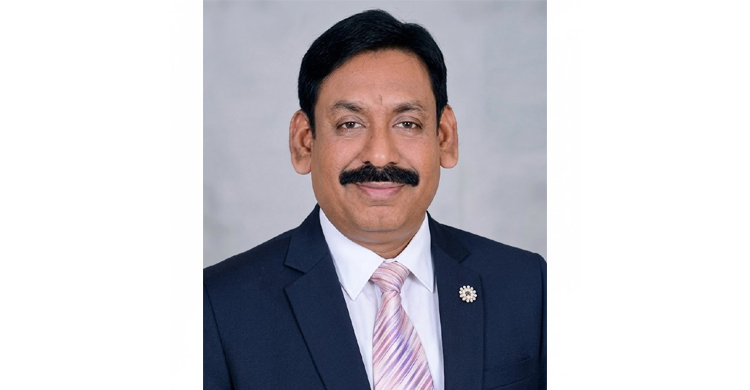
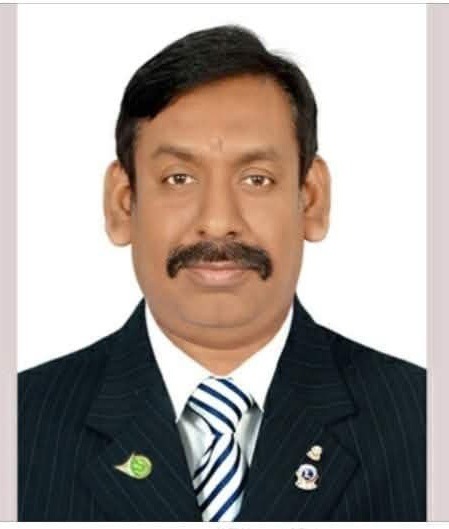
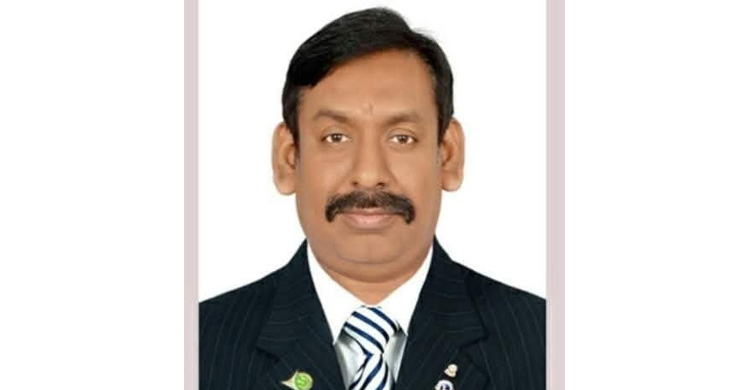
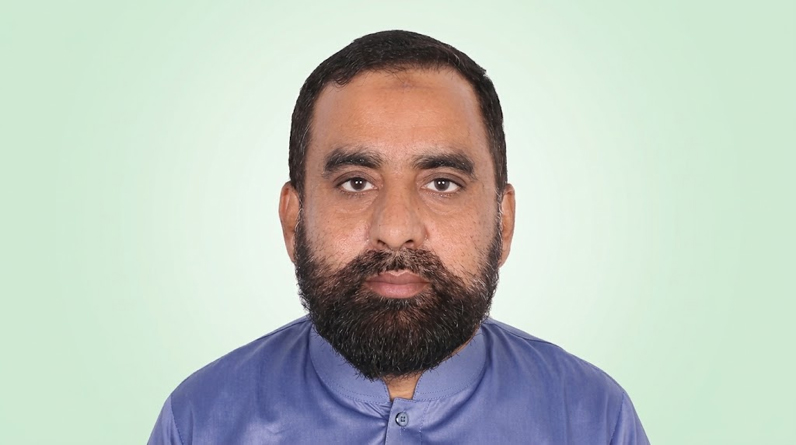
| Lion Md. Gani Miah Babul : Rumours and disinformation are no longer confined to personal misunderstandings. They can influence public opinion, social harmony, public health, elections and people`s safety. A false claim can damage someone`s reputation, spread hostility against a community or compel people to make wrong decisions during a crisis. Therefore, the question of combating rumours cannot be limited to identifying who shared false information. It is also necessary to examine whether people have access to reliable information, whether institutions communicate promptly and clearly, and whether effective mechanisms exist to correct misinformation when it spreads.
The scale of the problem can also be understood from recent fact-checking activities. According to a review by Dismislab, nine fact-checking organisations working on Bangladesh-related issues published at least 5,706 fact-checking reports in 2025. These reports covered 4,131 distinct misinformation claims, compared with 3,167 such claims in 2024. Political issues, videos and AI-generated content also featured in the review. However, these figures do not represent a complete count of all rumours circulating in the country. Rather, they reflect claims identified in published fact-checking reports. This distinction is important because the seriousness of the problem should be demonstrated through accurate evidence, not exaggeration.
There is a difference between misinformation and disinformation. Misinformation refers to false information shared by someone who believes it to be true, while disinformation involves the deliberate creation or dissemination of false information with the intention of misleading others. Misleading impressions can also be created by taking statements out of context, presenting only selected portions of otherwise accurate information or linking old photographs to new events. Therefore, checking whether a claim is true or false is not enough. It is also necessary to examine who published it, what the original source was, when and where the event occurred, what the complete statement or recording contains, and what evidence supports the claim. UNESCO`s media and information literacy framework likewise recognises source verification, analysis and evaluation as fundamental skills.
Social media, messaging groups and video-sharing platforms have accelerated the spread of information. Appeals for disaster relief, searches for missing persons, emergency alerts and public health messages can reach people quickly. However, the same channels can also spread unverified claims, fake notices, manipulated videos, impersonation and fraudulent promotions. When a message generates fear, anger or surprise, people often forward it before verifying its accuracy. A claim does not become true simply because it appears repeatedly. Nor does the fact that a familiar person has shared it, or that many people have circulated it, establish its credibility.
Advances in artificial intelligence have made this challenge more complex. It is now easier to create realistic-looking images, imitate voices and manipulate videos. False statements may be attributed to public figures by using their faces or voices, while scammers may impersonate acquaintances to solicit money. People should therefore avoid reaching conclusions based solely on an image or video. They should examine the original publication, date, location, complete video or statement, and responses from the relevant individuals or organisations. Reverse image search can help identify the earlier use of a photograph when necessary. However, the analysis provided by any single application or AI system should not be treated as conclusive proof. Findings should be cross-checked against multiple reliable sources.
The harm caused by rumours depends not only on how many people see them but also on whom they target and what consequences may follow. False information about elections can mislead voters. Religious or communal claims can intensify tensions. False medical advice can delay treatment, while fraudulent job offers or investment advertisements can cause financial losses. During emergencies, false warnings can create panic, while delays in providing accurate information can undermine public trust. The objective of prevention should therefore be to identify harmful claims quickly, provide reliable information promptly and protect people placed at risk by false information.
The government has a particularly important role in combating rumours and disinformation. When responsible authorities remain silent during events of public concern or issue contradictory statements, an information vacuum emerges. Rumours can then fill that vacuum. The government should establish a coordinated system for communicating information during crises. It should be predetermined which department will provide information on a particular issue, who will serve as the designated spokesperson, how quickly an initial statement will be issued and where subsequent updates will be available. If the initial facts remain uncertain, that uncertainty should be communicated clearly. Earlier statements should be updated when new information becomes available. Communicating promptly does not mean presenting speculation as fact. It means clearly explaining both what is known and what is still being verified.
Accessible public information can reduce the space in which rumours thrive. In Bangladesh, the Right to Information Act, 2009, provides citizens with the right to obtain information from public authorities and establishes provisions for making information about decisions and activities readily available. This framework can be used more effectively to make decisions of public interest, source information, corrections and emergency notices easy to access and search. If information is available through a reliable, regularly updated government information hub rather than being scattered across multiple departmental websites, verification becomes easier for both citizens and news organisations.
Regular cooperation between the government, fact-checking organisations, universities and civil society groups is also necessary. Independent fact-checkers investigate the sources of viral claims, photographs, videos and statements, publishing evidence-based analyses. They should have access to open information, a safe working environment and opportunities for transparent funding. Government support must not become a means of interfering with editorial independence. Similarly, establishing emergency communication channels among public authorities, news organisations and fact-checkers would help identify false claims quickly and publish accurate information during crises.
The media must also maintain a balance between speed and accuracy. Examining original documents, cross-checking claims with multiple sources, seeking responses from relevant parties, and verifying the time and location of photographs and videos are integral to professional journalism. When an error occurs, it should be corrected visibly rather than silently altered, ensuring that readers who saw the original report can also learn about the correction. Clearly distinguishing news reporting from opinion helps readers understand the nature of the content. At the same time, critical reporting should not automatically be labelled as a rumour, and statements made by familiar political parties, government agencies or popular figures must not be exempt from verification.
Social media platforms must become more transparent in detecting fake identities, coordinated disinformation campaigns and fraudulent content. They should introduce prompt complaint reviews, explain the reasons behind their decisions, provide opportunities for appeal and ensure that corrected information reaches people who viewed the original claim. Teams familiar with the Bengali language and local social contexts can make it easier to identify and explain misleading content. Platforms could also be required to publish regular transparency reports covering the sponsors of political advertisements, content distribution practices and potentially harmful promotional activities. The United Nations` global principles for information integrity emphasise not only the responsibilities of technology companies but also the importance of independent media, public empowerment and transparency in information.
In the long term, strengthening media and information literacy in the education system is essential to building a culture of verification. Students should learn not only how to find information online but also how to assess source credibility, distinguish facts from opinions, verify the context of photographs and videos, and correct their mistakes when necessary. Teacher training, practical classroom exercises and public awareness campaigns in accessible language can contribute to this effort. Older citizens, persons with disabilities and people with limited digital skills also need accessible and understandable training. Such initiatives should be conducted regularly across the country rather than introduced as temporary campaigns during a crisis.
Efforts to combat rumours must be firm, but their purpose should be to reduce harm and ensure access to truthful information, not to suppress lawful expression. Information shared mistakenly, satire, opinion, journalism and deliberate disinformation must not be treated as equivalent. Any action against content should be based on clear rules, verifiable evidence, proportionate measures and independent review. Citizens must have opportunities to submit complaints and appeal decisions. The United Nations` principles also emphasise that efforts to promote information integrity must remain consistent with freedom of expression, freedom of opinion and human rights.
The government should also measure whether its initiatives are producing tangible results. Relevant indicators could include the time taken to issue initial official information during emergencies, the time required to correct false notices, the number of people reached by corrected information, the time taken to resolve public complaints and participation in educational programmes. Regular progress reports should be published against these indicators. Independent evaluations involving fact-checking organisations and civil society groups would help identify both achievements and shortcomings. The effectiveness of public awareness efforts cannot be adequately measured merely by counting workshops or social media posts.
A promise to eliminate rumours and disinformation entirely would be unrealistic, but their spread and harmful consequences can be reduced significantly. Citizens must verify information before sharing it, news organisations must check the evidence before publication, the government must communicate promptly and transparently, educational institutions must develop information literacy skills, and technology platforms must be held accountable for their role. Unless responsibilities are clearly defined, initiatives are sustained and progress is measurable, collective efforts will remain little more than appeals. Fact-checking must become a civic habit, an institutional responsibility and a national priority. Therefore, combating rumours and disinformation requires a culture of fact-checking and effective collective action.
About the Author:
Lion Md. Gani Miah Babul
Teacher, Poet, Columnist, Social Worker and Organiser
Founding President, Central Committee, Bangladesh Government Secondary Teachers Association (Agriculture)
Joint Secretary-General, Central Committee, Nirapad Sarak Chai (NISCHA)
Phone: 01552631118, 01842631118
Email: lionganibabul@gmail.com
|