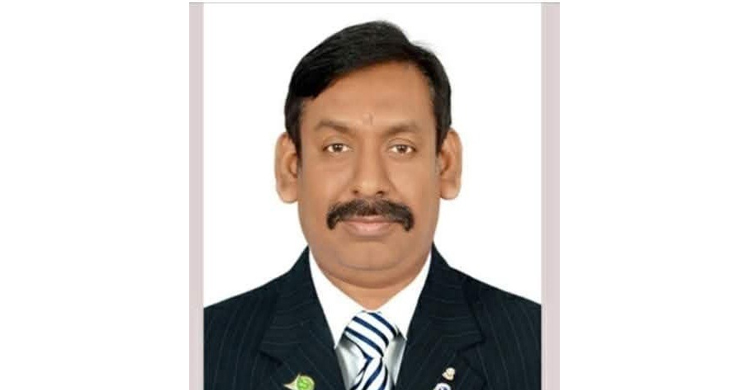
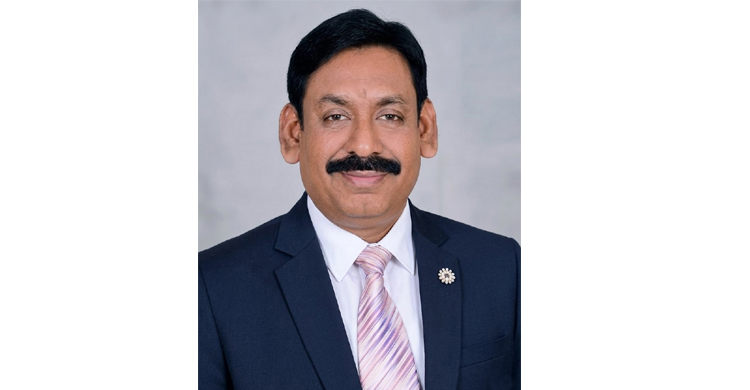
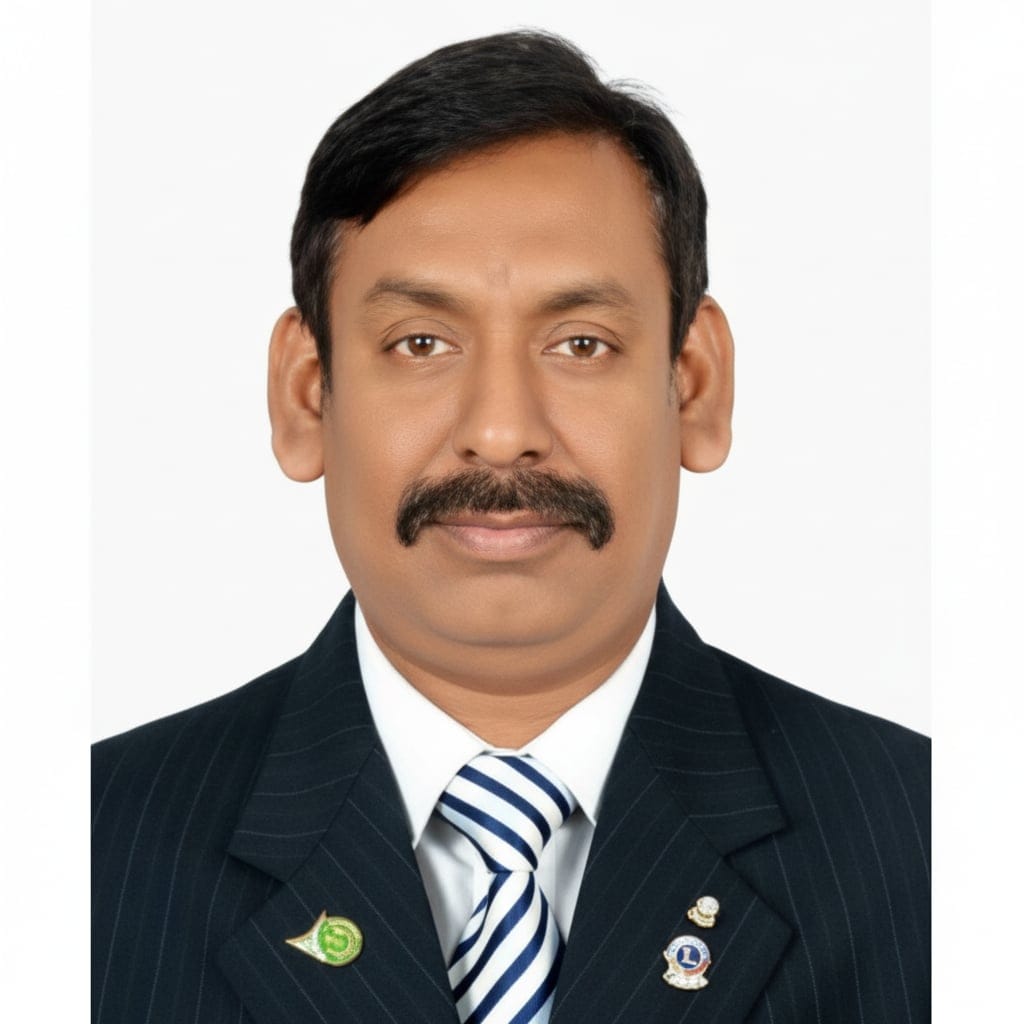
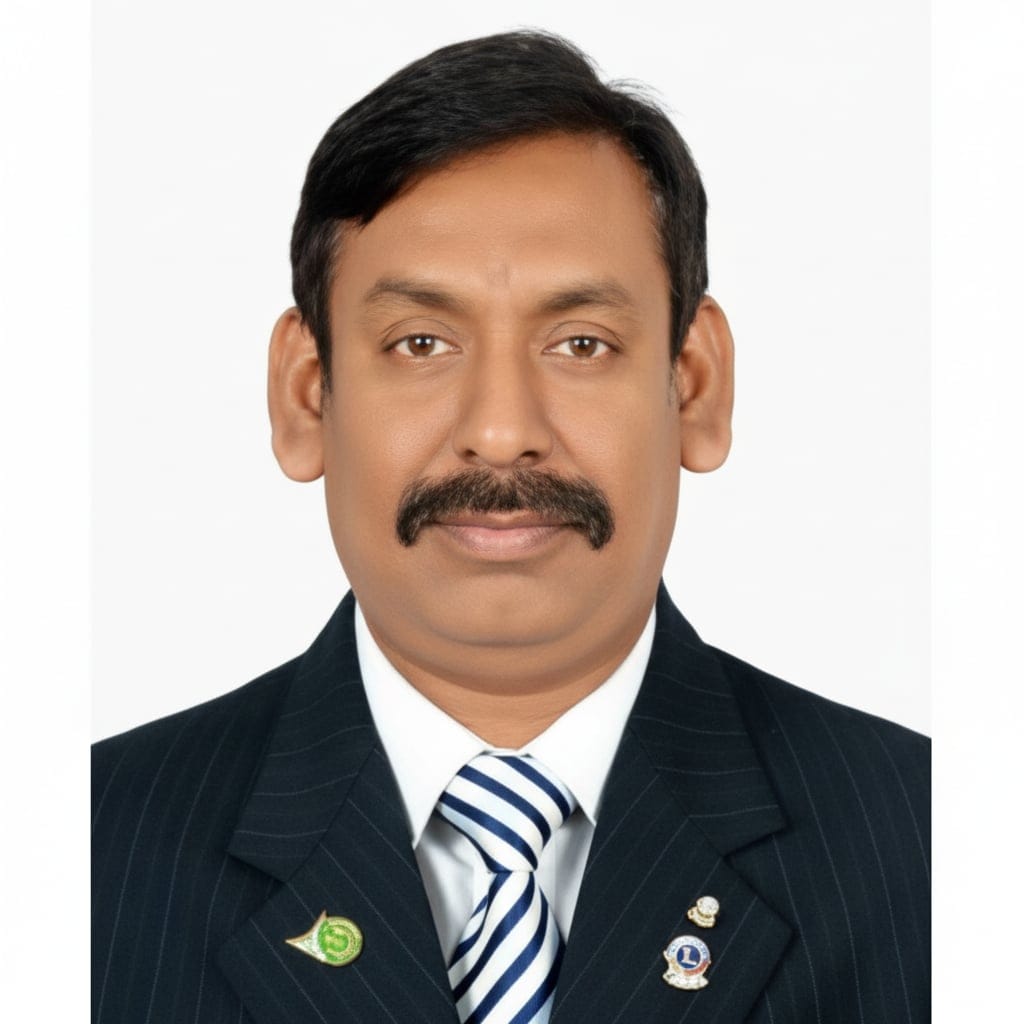
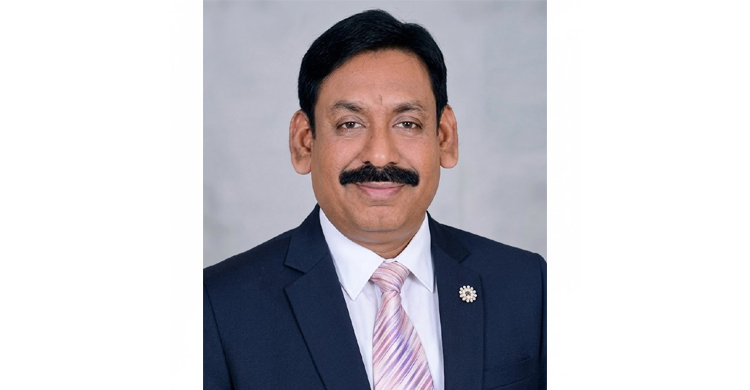
| Lion Md. Gani Miah Babul
Democracy is a system of government in which supreme power rests with the people. According to Abraham Lincoln, democracy is “government of the people, by the people, for the people.”
The foundation of democracy is public participation. In a democratic state, citizens take part in governing either directly or through their elected representatives. Elections are the most important component of this system. Through free, fair and impartial elections, people choose their preferred representatives, who then form the government. This ensures that state power is not confined to one person or group but reflects the collective will of the people.
Another essential feature of democracy is the rule of law. Everyone is equal before the law—rich and poor, the powerful and ordinary citizens alike. The judiciary must be independent and safeguard citizens’ fundamental rights. Freedom of expression, freedom of the press, religious freedom and good governance are also indispensable to democracy.
Democracy is more than a system of government. It is a set of values, a practice and a culture that gives the greatest importance to people’s views, participation and rights. Unfortunately, in many countries particularly developing democracies the politics of vengeance undermines democracy’s core principles. Treating political opponents as enemies, seeking revenge after coming to power, and using state institutions for personal or partisan interests are all major threats to democracy.
The politics of vengeance refers to a political culture in which a change of power is followed by cases, harassment, repression or administrative persecution directed at political opponents. This not only creates political instability but also erodes public trust in state institutions. When people see that the law and the justice system are not impartial but are being used for political purposes, the very foundations of democracy are weakened.
Healthy democracies allow political competition and differences of opinion, but these should be based on policies, not vengeance. The opposition is an important part of democracy. It should be able to criticise the government, offer alternatives and represent the people’s voice. If the opposition is suppressed or its freedom of expression restricted, democracy becomes one-sided and the risk of authoritarianism grows.
The politics of vengeance divides society. People become polarised along party lines, mutual respect declines and social harmony is damaged. A country in this condition cannot move forward together. Development stalls because sustainable progress is impossible without political stability.
We see this tendency in Bangladesh and many other countries. Changes in power are often followed by cases, arrests or administrative harassment targeting political opponents. As a result, political culture becomes harsher and less tolerant. Young people develop a negative view of politics, which is a warning sign for the future.
Avoiding the politics of vengeance requires political will. The party in power must understand that the state is not its personal property. The opposition, too, must act responsibly and pursue its movements through democratic means rather than violence or disorder.
Strong and independent institutions must be built. The judiciary, Election Commission, anti-corruption bodies and media must be kept free from political influence. When these institutions operate impartially, opportunities for the politics of vengeance diminish.
The rule of law must be ensured. The law must apply equally to everyone, regardless of political affiliation. Anyone who commits a crime should be brought to justice, but through a transparent and impartial process. Enforcing the law for political purposes undermines confidence in justice.
Political culture must also change. Our society needs to cultivate tolerance, mutual respect and openness to differing views. Education, the media and civil society can all play an important role. By raising public awareness, they can help people take a stand against the politics of vengeance.
The media has a particularly important role. A free and responsible press can hold the government accountable and expose political abuse. But when the media is also controlled by partisan interests, the truth is suppressed and the politics of vengeance grows stronger.
Civil society and an informed public are among the main pillars of democracy. When citizens know their rights and speak out against injustice, political parties are compelled to change their conduct. Through the ballot box, the public can reject the politics of vengeance.
Political dialogue is also essential. Conflict can be reduced when the government and opposition seek to resolve problems through discussion. A culture of dialogue can help bring the politics of vengeance under control.
International experience offers valuable lessons. In countries with strong democracies, political parties see their opponents as competitors, not enemies. When they come to power, they focus on implementing policies instead of taking revenge. This attitude must also take root in our country.
Elections alone are not enough to establish a sustainable democracy. An inclusive political environment that respects all viewpoints is also necessary. The politics of vengeance destroys that environment. It must therefore be rejected.
Economic development and democracy complement each other. Political instability discourages investment, obstructs employment and increases poverty. Moving away from the politics of vengeance is therefore essential to economic progress as well.
Young people should be encouraged to participate in constructive politics. If they see politics as nothing but conflict and revenge, they will turn away from it. But if they see politics as a means of serving people, they will take an interest and help build a healthy political culture.
Avoiding the politics of vengeance is not merely a moral duty; it is a practical necessity. Building a strong and sustainable democracy requires political leaders, party workers, civil society and ordinary citizens to work together. Only by fostering a new political culture founded on tolerance, justice and mutual respect can we build a prosperous, stable and democratic state.
Democracy depends on public trust. To preserve that trust, we must move beyond the politics of vengeance and practise principled, responsible, humane and ethical politics. A positive political culture grounded in mutual goodwill is essential to safeguarding human dignity, equality and good governance. For these reasons, avoiding the politics of vengeance is essential to building a strong and sustainable democracy.
About the Author:
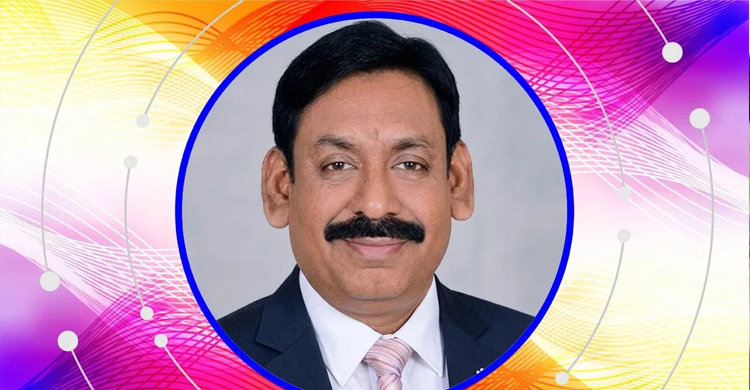
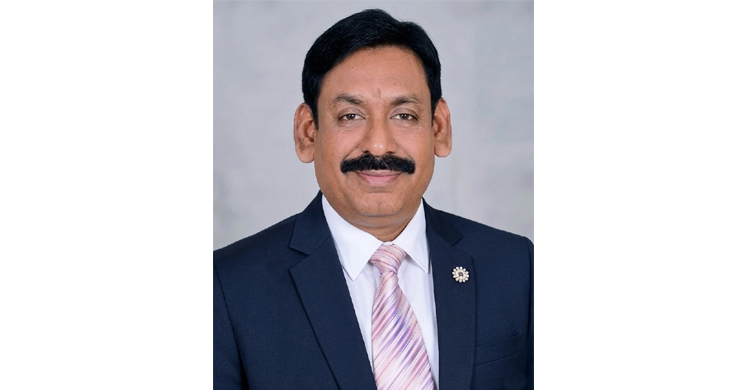
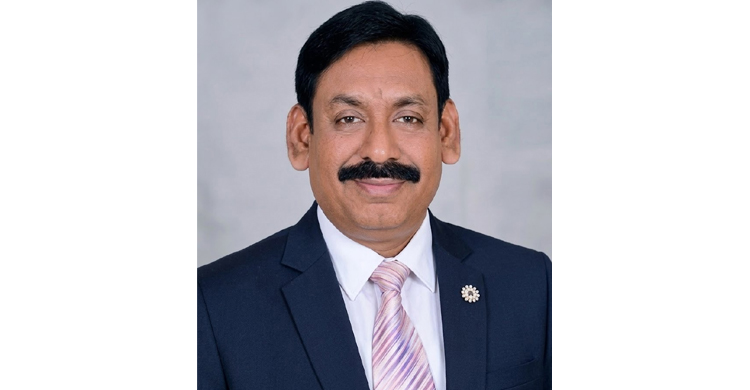
Lion Md. Gani Miah Babul
Teacher, poet, columnist, social worker and organiser
Joint Secretary-General, Nirapad Sarak Chai (NISCHA), Central Committee
70 Kakrail, Dhaka
Email: lionganibabul@gmail.com
Phone: 01552631118, 01842631118
|